



Location
No. 228 North Street, Gaobeidian City, Hebei Province

Opening Hour
09:00 AM - 06:00 PM
Monday - Saturday
For More Information
Your Email Address
SIGN UP
Industries Provide Best Services
It has a number of invention patents and utility model patents, has passed a number of
management certification system certification certificates, and won the honorary title of
"National high-tech Enterprise" and "Hebei Province Specialized in special new small and
medium-sized enterprises."
VIEW MORE
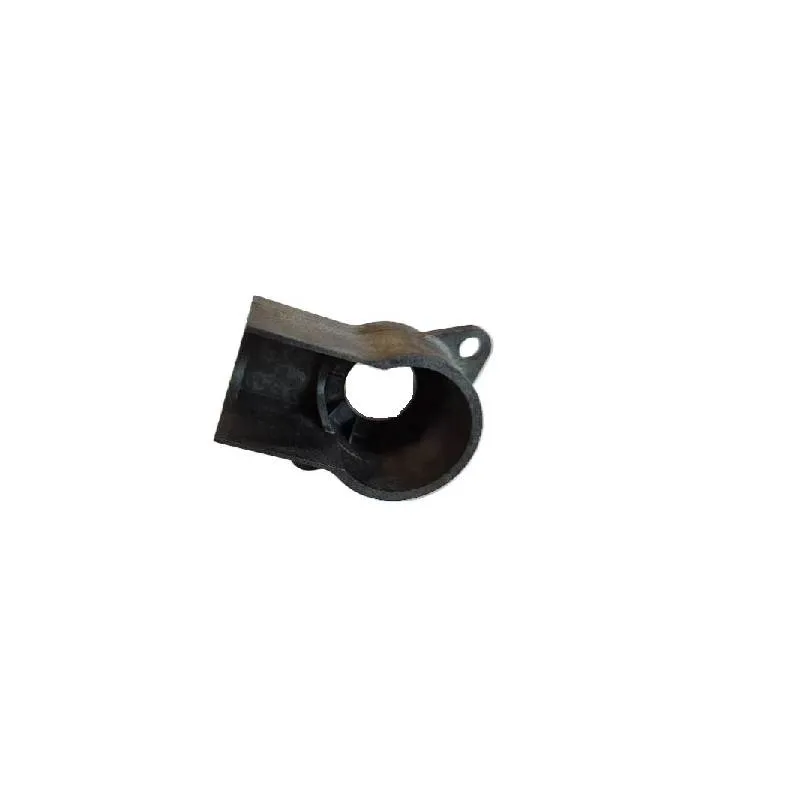
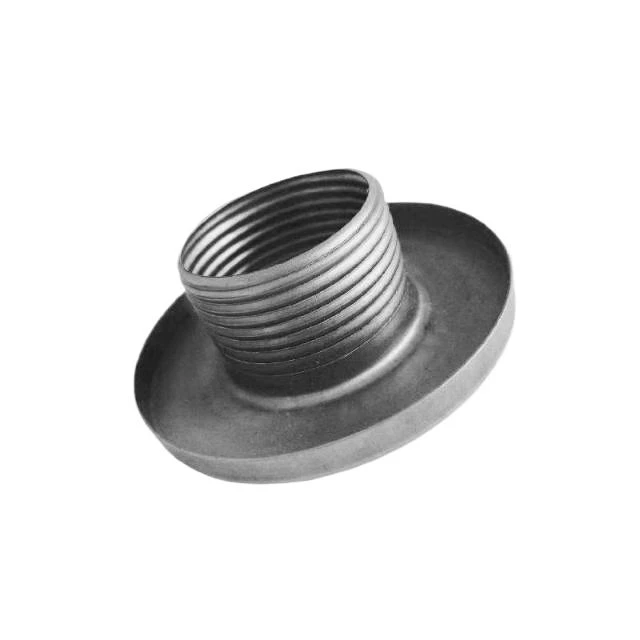
latex moulds
/The quiet fix: transparent gaskets that double as a 1 rubber grommet plug If you’ve ever chased a rattle in a panel or fought dust ingress in an outdoor junction box, you’ll know why clear elastomer gaskets are having a moment. From EV harness passthroughs to lab instruments, engineers want to seal, cushion, and still see what’s going on behind the panel. That’s where FY Gasket’s Transparent Rubber Gaskets, made in No. 228 North Street, Gaobeidian City, Hebei Province, come in. They’re built like premium gaskets, but many teams spec them as a tidy, see-through 1 rubber grommet plug for unused cutouts and cable management. What’s trending, and why transparency now? Three things: IP-rated assemblies are moving downstream (even “basic” kiosks want IP65+), visual inspection without teardown saves service time, and regulatory pressure is pushing toward RoHS/REACH-compliant elastomers. In fact, we’re seeing designers swap opaque grommets for clear gaskets so they can confirm seating, cable bend radius, and moisture before closing the enclosure. Honestly, that simple visibility prevents a lot of field returns. Product snapshot and specs FY’s parts are custom-cut or molded and can be configured to act as a sealing washer, edge grommet, or an elegant 1 rubber grommet plug for knockout holes. Below is a typical configuration; real-world use may vary. Material options Silicone, EPDM, NBR, FKM (fluoroelastomer), TPE; FDA-grade silicone available Hardness (Shore A) ≈ 30–80 (ASTM D2240) Tensile strength ≈ 6–12 MPa (ASTM D412) Compression set ≈ 15–30% at 70°C/22h (ASTM D395) Temperature range -40°C to +200°C (material-dependent) Ingress protection Up to IP67/68 with correct housing design (IEC 60529) Tolerances Around ISO 3302-1 M2/M3; tighter on request From compound to carton: how it’s made Materials are mixed in-house, then tools are designed and cut for your geometry. Parts are compression or injection molded, vulcanized, deflashed, and batch-tested. Typical checks: IRHD/Shore A, tensile/elongation, compression set, dimensional CMM, and accelerated aging (ozone per ASTM D1149). Service life? In normal indoor use, I’d expect 8–10 years; harsh UV/salt fog environments may average 3–7, depending on compound and thickness. Where they’re used EV battery and charger housings; cable passthroughs and knockout covers Outdoor LED signage and CCTV junctions (quick IP seal you can visually verify) Medical and lab equipment where clarity helps inspection or fluid tracing Food/packaging machinery with FDA silicone options Marine/HVAC panels as a neat 1 rubber grommet plug for unused ports Customer sentiment? Many buyers say the clear finish makes installs faster and QC calmer—“you can literally see the seal.” Hard to argue. Vendor comparison (quick take) Vendor Lead time MOQ Material range Certs & reports Price index FY Gasket (Hebei) ≈ 10–18 days tooling; 7–12 days production Flexible Silicone/EPDM/NBR/FKM/TPE ISO 9001, RoHS/REACH; PPAP/CoA on request $$ Vendor A (catalog) Stock or 2–4 weeks Pack-based Standard silicone/EPDM Basic CoC $–$$$ Vendor B (job shop) 3–6 weeks Moderate Mixed; limited clear grades Variable $$ Mini case notes Outdoor LED cabinet: Switched from opaque grommets to clear gaskets—technicians could verify cable seating; IP67 pass rate improved by ≈11% across 500 units. Benchtop analyzer: FDA-grade silicone plugs allowed quick visual leak checks; assembly time per unit dropped about 6 minutes. Compliance, testing, and the fine print Compounds are RoHS/REACH compliant; UL 94 ratings available by formulation (ask early). Testing follows ASTM/ISO methods with CoA/PPAP support. If you’re targeting extreme UV or oils, say so—material selection is half the victory. Authoritative citations ASTM D2240 – Standard Test Method for Rubber Property—Durometer Hardness ASTM D412 – Standard Test Methods for Vulcanized Rubber—Tension ASTM D395 – Compression Set of Rubber IEC 60529 – Degrees of protection (IP Code) ISO 3302-1 – Rubber tolerances for products UL 94 – Tests for Flammability of Plastic Materials EU RoHS 2011/65/EU and REACH Regulation (EC) No 1907/2006
-
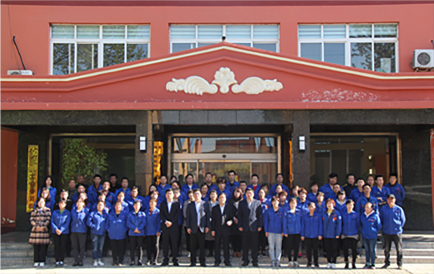
1985Year/Establishment
-
4hm²/Land area
-
150People/Number of employeesent
Company Advantage
Our Advantage Is To
Change Your Company
Change Your Company
-

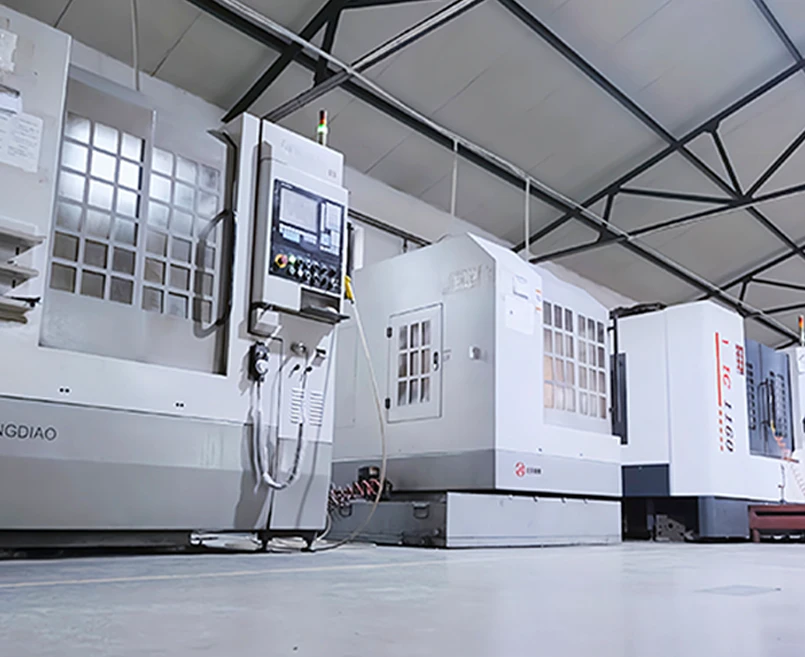
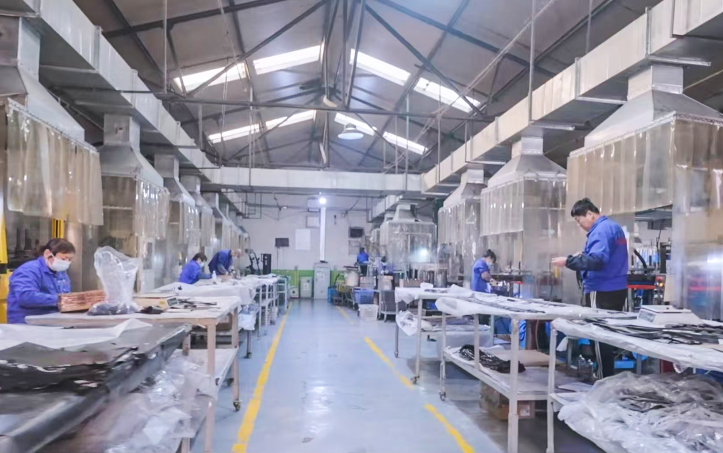
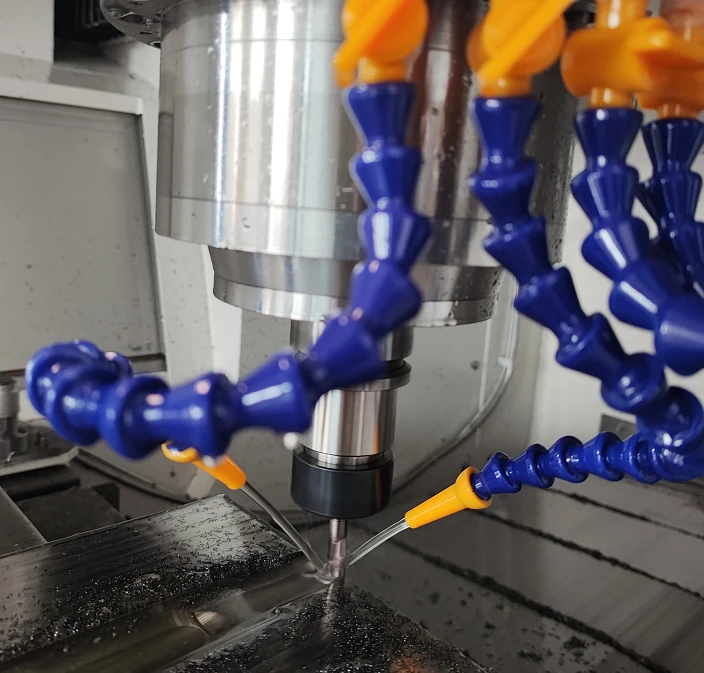
 ProfessionalWith 40 years of experience in customizing rubber and plastic products, we have rich production experience, advanced equipment, and a professional quality inspection system
 -

 ServiceProviding a full range of services including design, research and development, production, testing, etc., personalized customization, customer first, and quick response
 -

 ResourcesFactory direct supply, over a thousand application formulas and selection solutions, worry free after-sales service
Company Honor
Enterprise
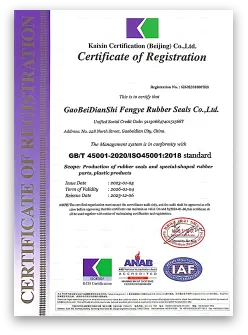
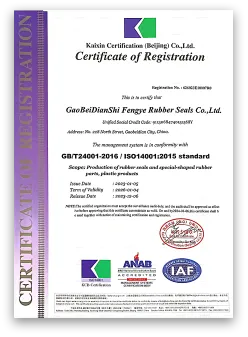
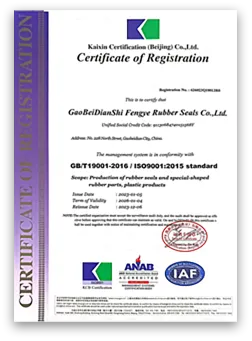
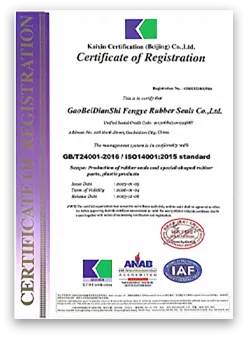
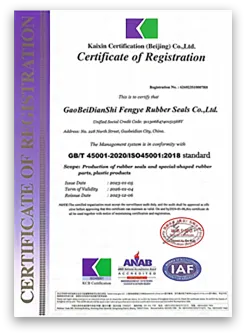
Honor Certificate
Honor Certificate
Has passed a number of management certification system certification
certificates, and won the honorary title of "National high-tech Enterprise" and "Hebei
Province Specialized in special new small and medium-sized enterprises."
VIEW MORE
Company News
Latest Blog & Aritcles
-
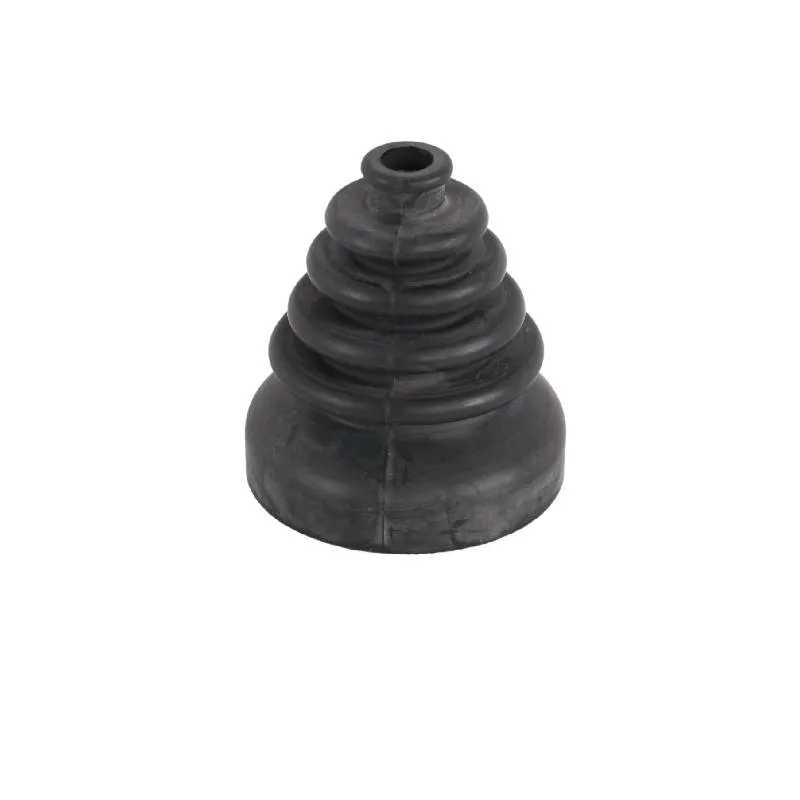 The Advantages of Plastic Wheels in Industrial Applications2026-04-06 05:37Plastic wheels have emerged as a highly effective solution in various industrial applications, providing a range of benefits over traditional materials such as metal or rubber. These lightweight, durable, and versatile components are increasingly found in industries like logistics, manufacturing, medical equipment, and automotive. In this article, we’ll explore the multiple advantages of plastic w
 -
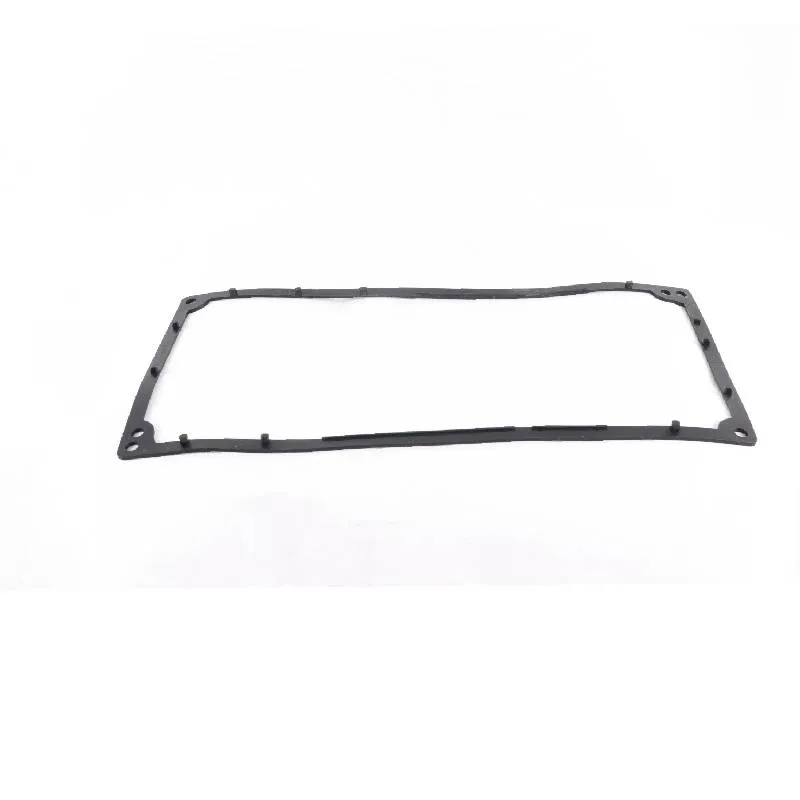 thick stainless steel washers2026-04-06 05:28Thick stainless steel washers have been revolutionizing industries that require durable, non-corrosive fasteners in the most demanding applications. As a material choice, stainless steel boasts exemplary resistance to rust, high temperatures, and structural damage, making these washers indispensable in several fields, from construction to marine engineering. The choice of thick stainless steel was
 -
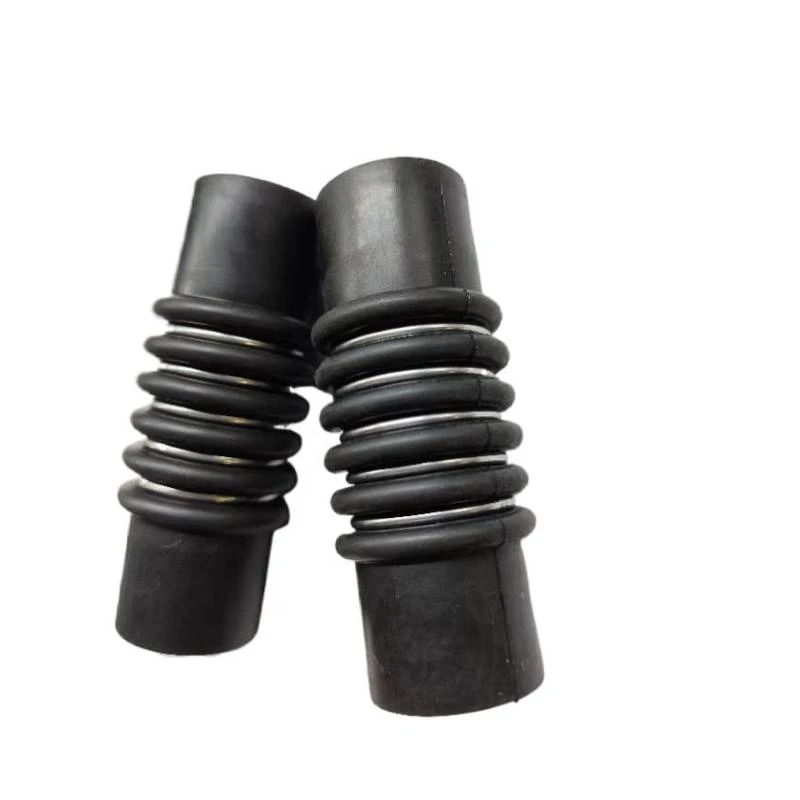 industrial rubber caster wheels2026-04-06 05:17Industrial Rubber Caster Wheels A Comprehensive Overview In the world of material handling and transport, efficiency and durability are paramount. One crucial component that enhances the mobility and functionality of various tools and equipment is the industrial rubber caster wheel. These wheels are designed for a multitude of applications, providing a smooth, reliable, and resilient solution for
GaoBeiDianShi Fengye Rubber Seals Co.,Ltd
We take the rubber parts and plastic parts production as the leader ,
set customization, research and development,
Quick Links
Our Products
Contact Us
- Mob: +86 0312-2911666/+86 0312-2911318
- Fax: 0312-2911511
- Email: rubber@hbfengye.com/
- Add: No. 228 North Street, Gaobeidian City, Hebei Province
Copyright © 2025 GaoBeiDianShi Fengye Rubber Seals
Co.,Ltd. All Rights Reserved. Privacy
Policy


